Beginning in the early 1570s, with the regular annual Pacific crossing, the Spanish viceroyalties of New Spain and Peru became key nodes in a vast global trade network that connected major cities in Asia, the Americas, and Europe. The Manila Galleon (known then as nao de China) trade transported immense quantities of Asian goods—textiles, porcelain, furniture, lacquerware, jewelry, ivories, and other finely crafted luxury goods—across the Pacific Ocean to the Americas in exchange for silver and other raw materials such as indigo and cochineal. These exotic items found eager markets in the thriving new cities across Spanish America, in particular in metropolises such as Mexico City and Lima, where they significantly and visibly influenced local visual and material culture.
The influx of these Asian imports ignited the imaginations of both consumers and artisans in the Americas. Sumptuous textiles, fine porcelain, lacquer furniture, ivory sculptures, and other lavish objects became symbols of status and wealth and inspired local craftspeople to incorporate Asian motifs and techniques into their creations (fig. 1). This blending of Asian and local styles led to a unique cross-cultural synthesis, visible in everything from architecture and decoration to clothing and everyday objects (fig. 2).
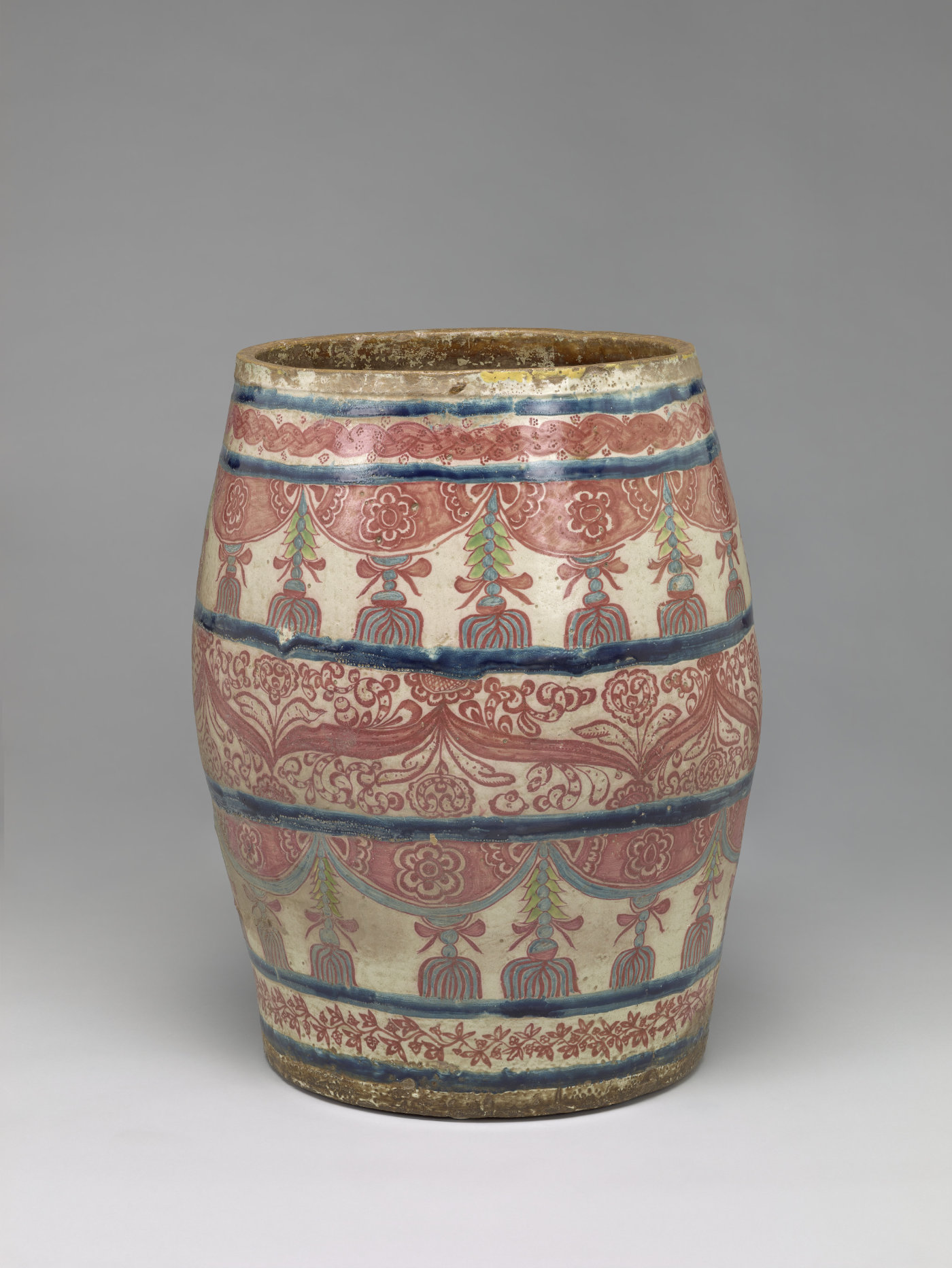
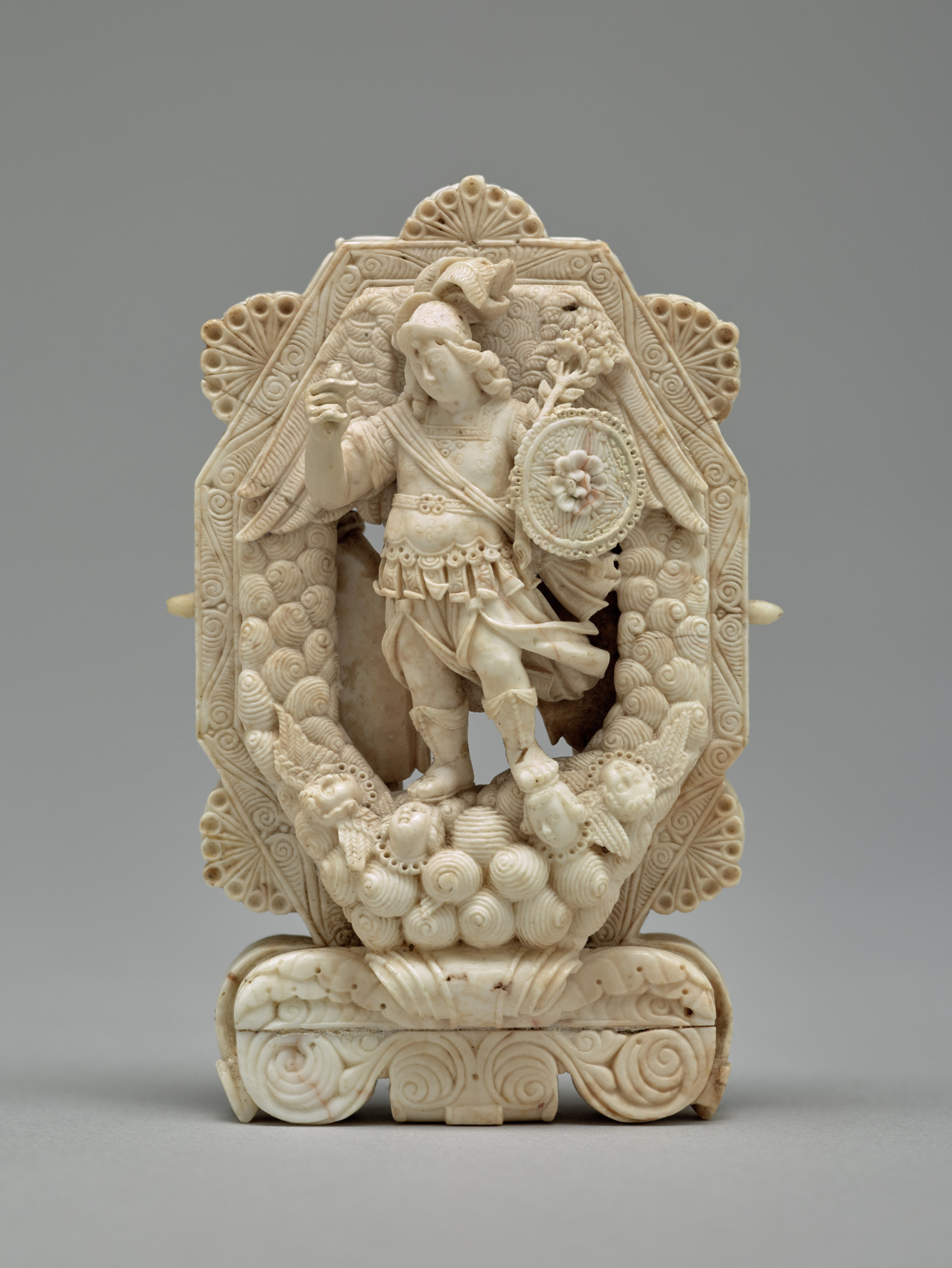
Although much has been written about colonial society, we still know relatively little about customs regarding material culture and everyday life, particularly the role of objects in these societies. Published documents—in particular inventories—from the colonial period remain limited, and accessing original sources in Latin America often presents bureaucratic challenges and numerous other difficulties.
This is precisely why I have undertaken this opportunity to explore the context in which luxurious Asian goods for the home were used during the viceregal era. In Spanish America, Asian imports appear listed almost everywhere, from ship manifests to dowry contracts, wills, inventories, and appraisals of every possible type. However, records tend to be succinct and merely name the items without providing additional information. Yet, some inventories offer more detailed information on the specifics of the objects, generally indicating quality or appearance, and more importantly, some documents include information on how they were used and displayed. The latter is a crucial aspect as most scholarship on Asian export goods tends to focus more on the type of items and their quantity rather than on their role in daily life.
Documents of wealthier households typically list a substantial number of Asian items of the finest kind. Yet, the variety and abundance of imported goods across Spanish America allowed even the less affluent strata of viceregal societies to access them, even if of lower quality. Whether it was an aristocrat or a wealthy merchant displaying a costly service of armorial porcelain made to order in China (figs. 3 and 4) or a rich lady wearing a lavish dress made from Chinese silk (fig. 5) or an individual of the middle class wearing a more affordable printed cotton garment (fig. 6) or the use of a simple porcelain bowl in the kitchen (fig. 7), imported goods were present across all social classes. It is important to note that the so-called Parián market in Mexico City was a key retail hub for global imports, while in Lima, through the port of Callao, local merchants retailed a wide range of imported products, chiefly coming from Portobello (Panama), to supply Peru’s interior provinces.
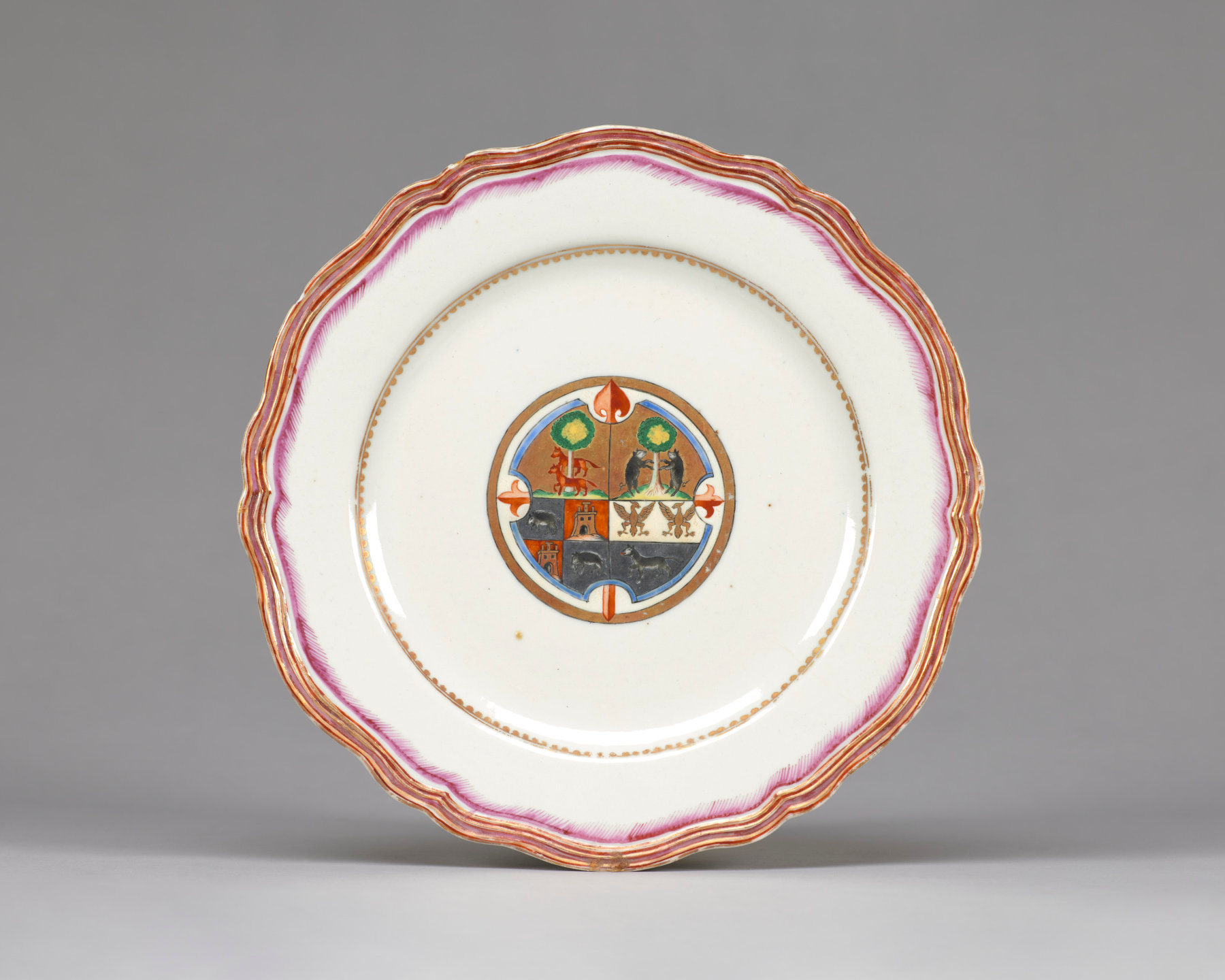
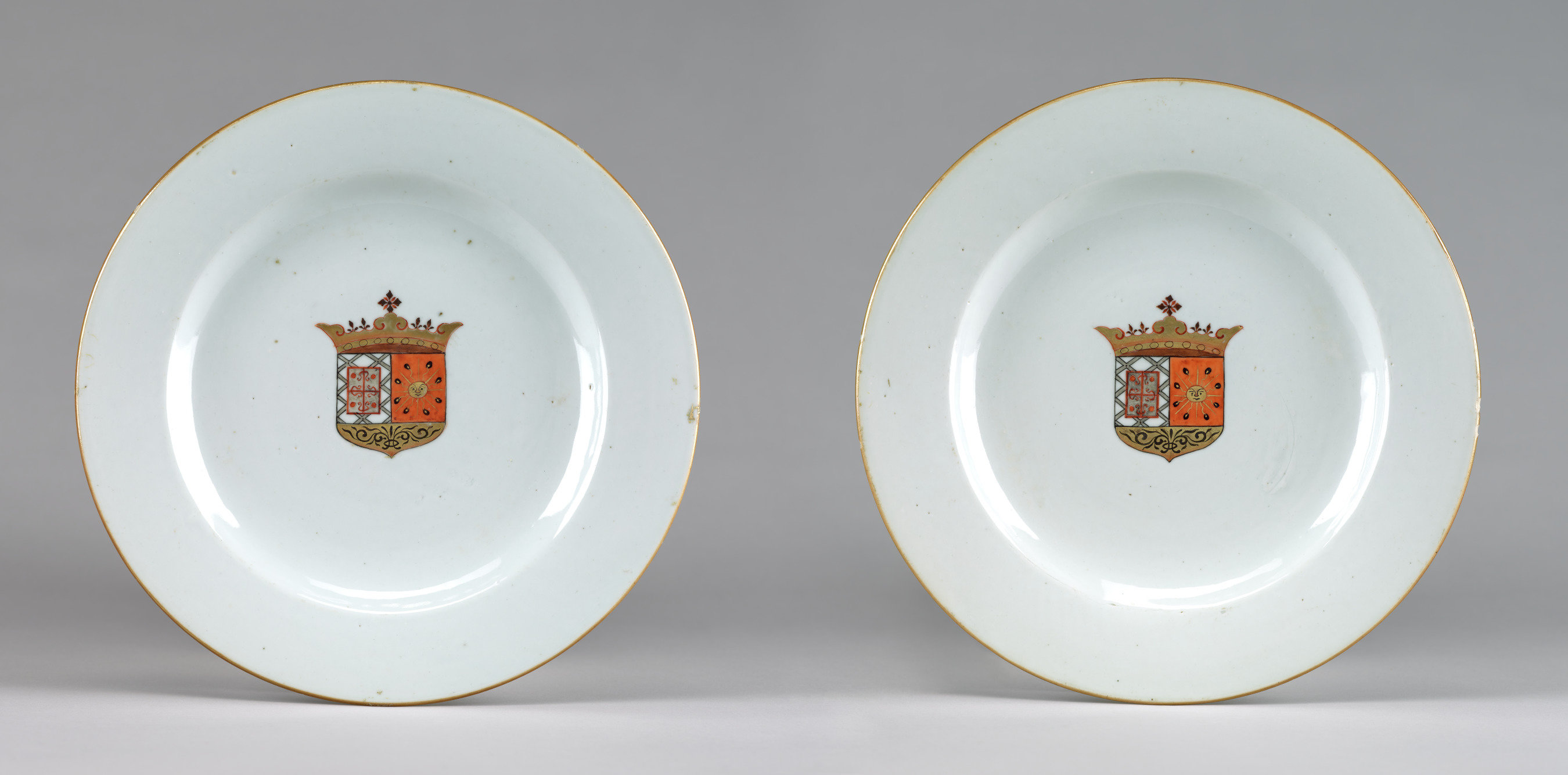
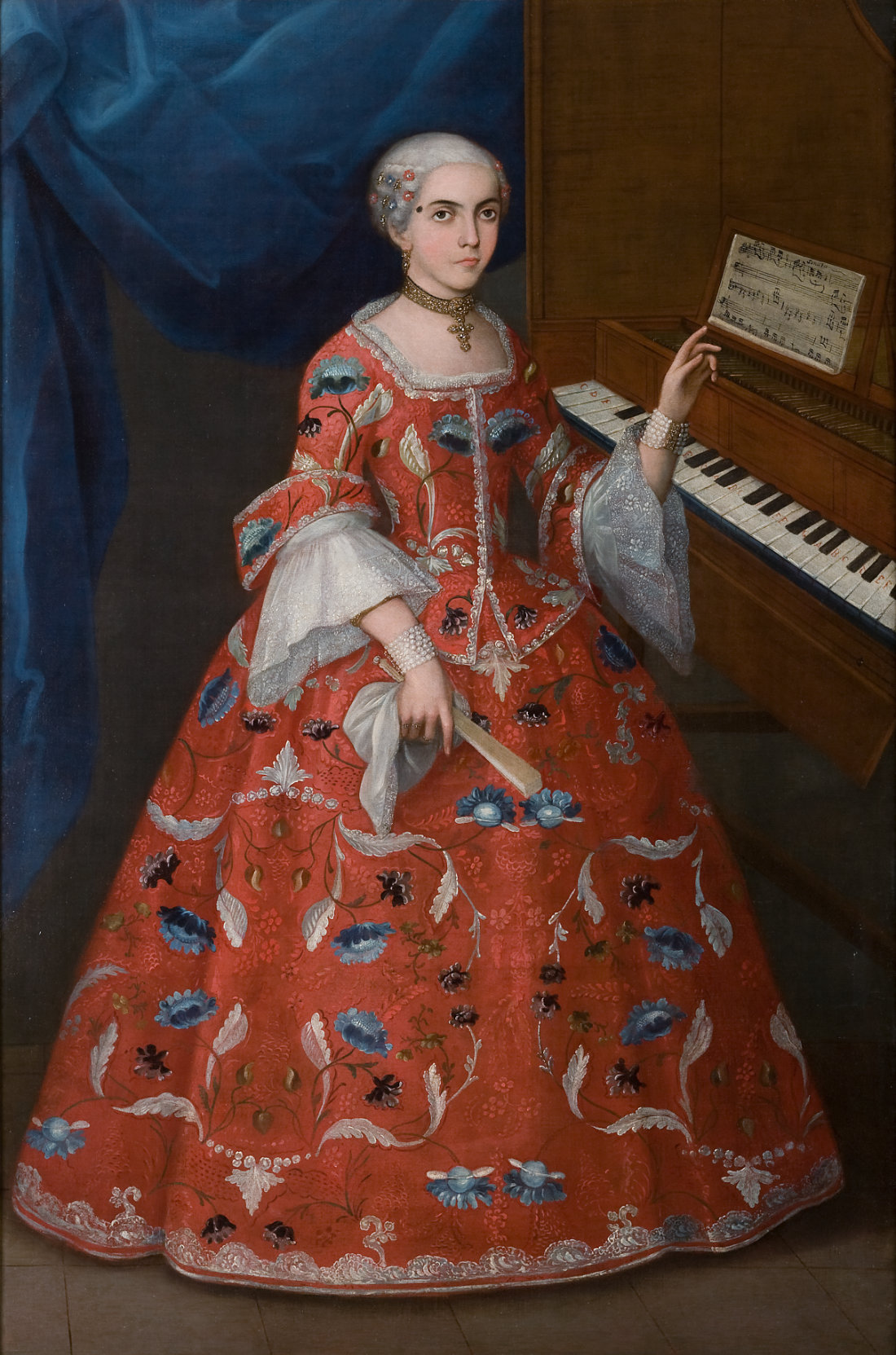
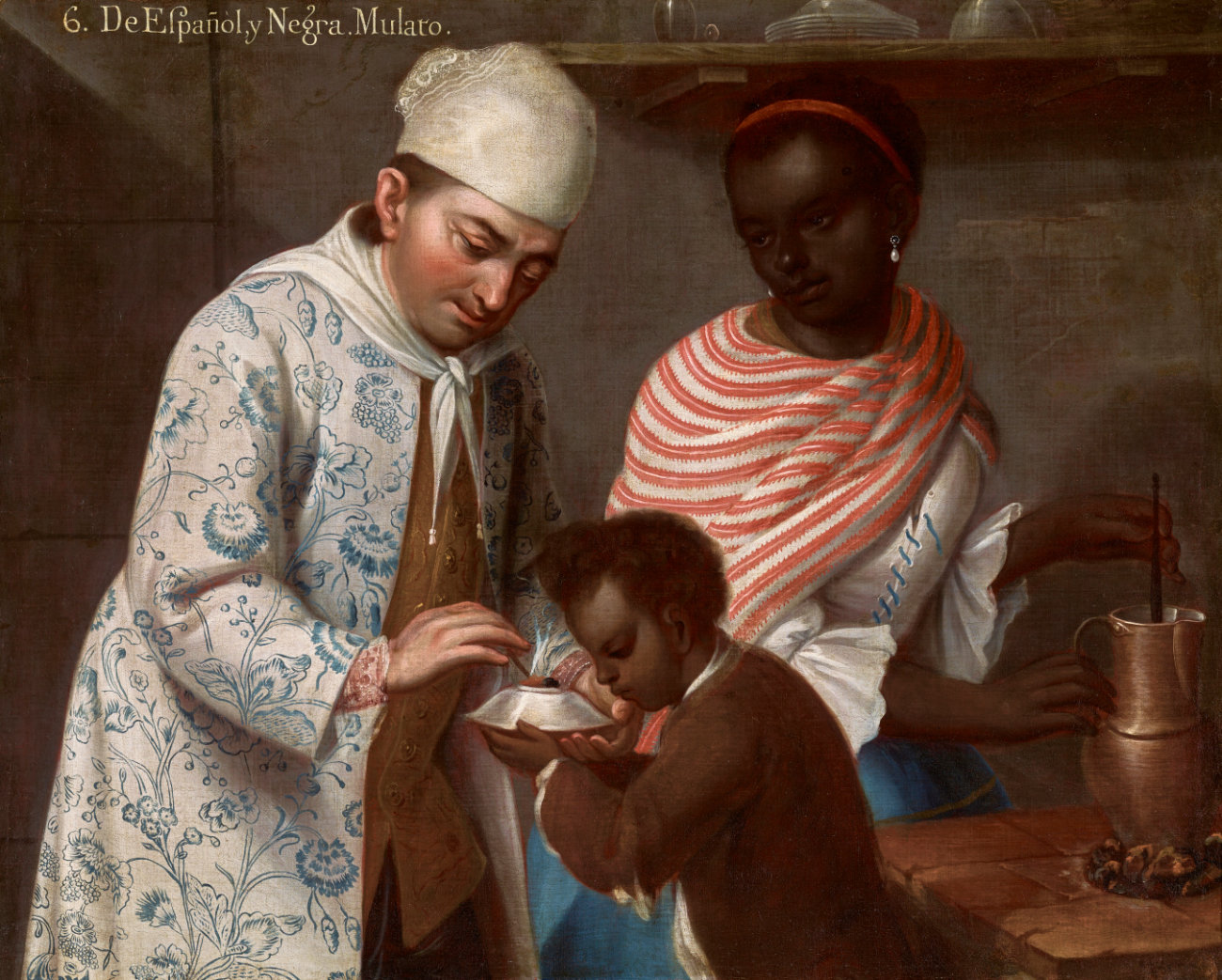
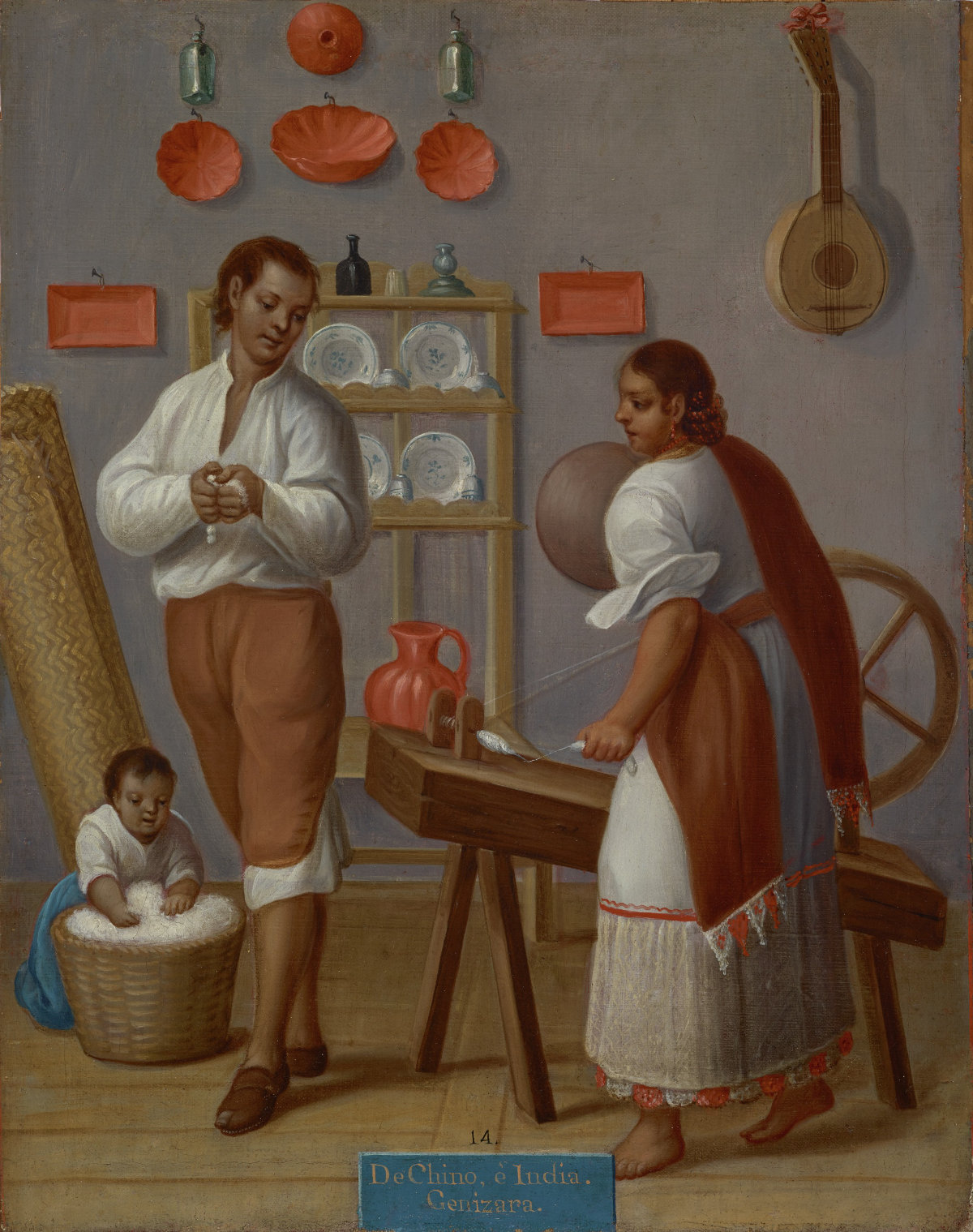
Few Asian artifacts from this era have survived to the present, and nearly all are detached from their original historical context, complicating their study. Additionally, there have been limited archaeological investigations into this topic, with most focusing on porcelain fragments preserved in landfills, which, by their nature, remain in relatively good condition and close to their original location. However, documents showcase the depth and durability of the transpacific connections between Asia and the Americas that emerged in the late sixteenth century, revealing a vibrant and enduring cultural exchange.
The present study focuses on four elite individuals: two viceroys—Manuel de Oms y Santa Pau (1651–1710), Marquess of Castelldosrius, Viceroy of Peru from 1707 to 1710; and Antonio María de Bucareli y Ursúa (1717–1779), Viceroy of New Spain from 1771 until his death in 1779—and two noblewomen—doña Teresa Francisca María de Guadalupe Retes Paz y Vera (1673–1695), Marchioness of San Jorge from Mexico City; and doña Rosa Juliana Sánchez de Tagle e Hidalgo (1687–1761), Marchioness of Torre Tagle from Lima.
By no means exhaustive, the study aims to provide an analysis based on four sets of documents: two from New Spain, published and annotated by the late Mexican scholar Gustavo Curiel,1 and two from Peru, which I have examined extensively in my previous research.2
The selection of these particular documents is intentional. They contain sufficient detail to provide insight into how specific objects for the home were used in colonial society while offering a perspective that spans nearly a century, from the late seventeenth century to the late eighteenth century. Through these sources, we can begin to reconstruct the role that luxury material goods imported from Asia played in shaping the daily lives and identities of the colonial elite during this era. As is often the case with this type of documentary sources, details about the pieces are sometimes incomplete. Information such as the total number of items, techniques used, themes depicted, dimensions, authorship, or origin may be missing, making it challenging to fully understand the collections. Jewels, clothing, and textiles of Asian origin intended for personal use appear frequently in the inventories studied. However, as they constitute a distinct category, they have been excluded from this brief text, which focuses primarily on household goods.
Members of the Spanish high nobility, the viceroys, served as the monarch’s direct representatives, holding the highest civic and military authority in Spanish America. They oversaw the treasury, justice system, and secular aspects of ecclesiastical governance. In Mexico City and Lima, the viceroys lived and administered affairs from grand viceregal palaces in each city’s main square (fig. 8). Each viceroy furnished these official residences to their taste, so the palaces’ appearances shifted with each new appointment.

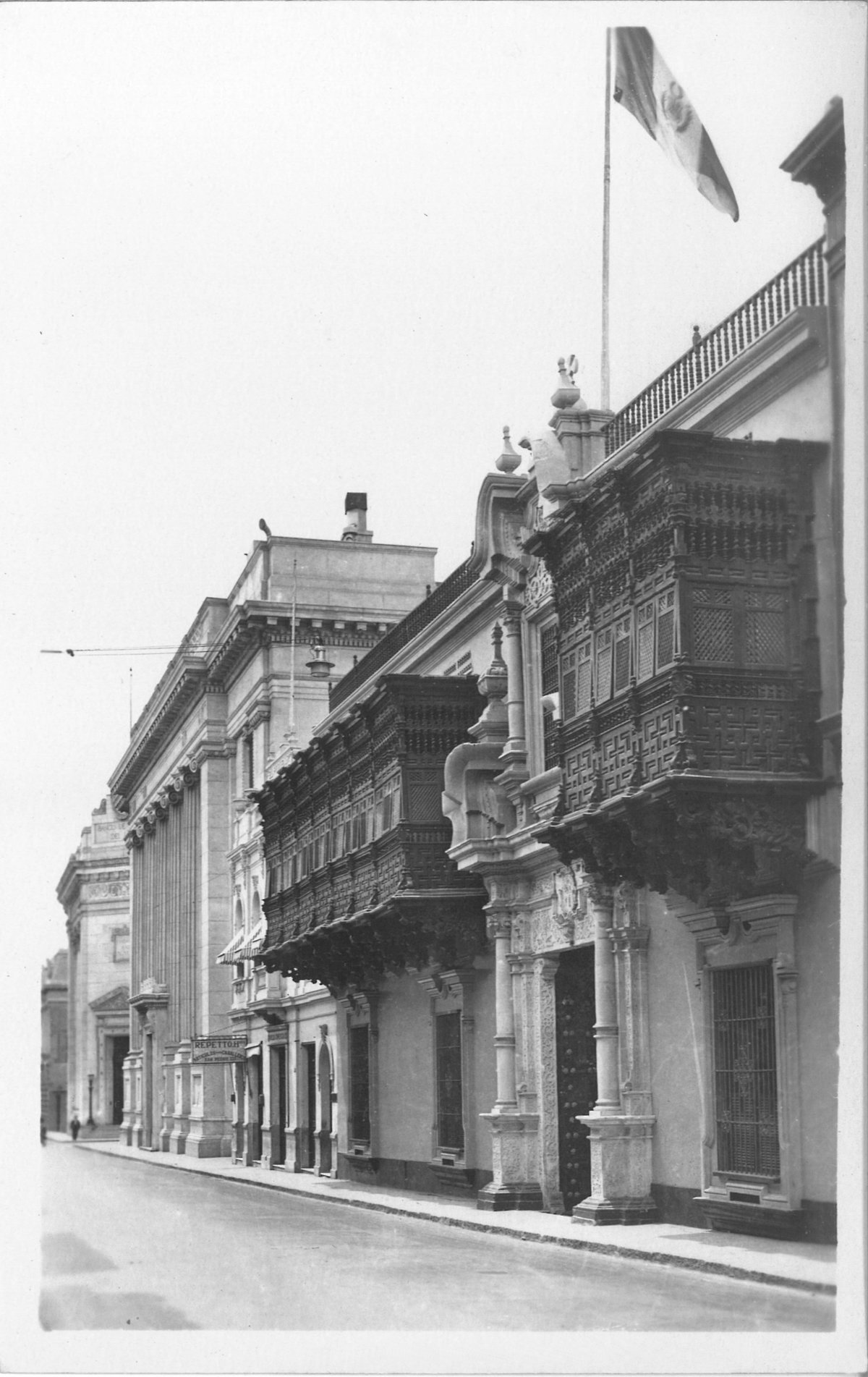
The titled nobility in Spanish America primarily consisted of the criollo elite—descendants of Spanish immigrants, predominantly merchants or Crown administrators. This class modeled itself after the Spanish nobility, adopting its structure, privileges, and customs. Over time, they supplanted the earlier elite of conquistadors and their descendants. As landowners and merchants with economic resources, social prestige, and political influence, this new nobility consolidated wealth and power through strategic marriages of convenience, often incorporating members of the remaining conquistador families who still held land and wealth. The titled nobility typically lived in large houses or palaces in the city center. One example is the well-preserved palace of the marquises of Torre Tagle in Lima, which now serves as the seat of the Peruvian chancellery (fig. 9).
The analysis of the referenced documents reveals that Asian artifacts were primarily displayed in spaces designed for social representation—areas intended to showcase wealth and status. Within these spaces, four main areas stand out: table settings, reception rooms, the estrado (a woman’s sitting area often used for formal gatherings), and bedrooms. Each of these spaces served as a stage for presenting valuable objects, demonstrating the owner’s affluence and taste for exotic, expensive items. The presence of Asian artifacts in these rooms not only reflected the wealth of the household but also underscored a cultural appreciation for imported, high-quality craftsmanship.
Viceroy Manuel de Oms y Santa Pau, Lima (1710)
Born in 1651 in Barcelona, Manuel de Oms y Santa Pau, first Marquis of Castelldosrius, was appointed viceroy of Peru in 1704, in the midst of the War of the Spanish Succession. His arrival in Lima in 1707 was not without controversy, largely due to the enormous costs of his move to Peru. During his administration, he faced a series of complex problems, including economic instability, tensions between peninsulares and creoles, and constant threats from pirates and corsairs. Despite these difficulties, Oms y Santa Pau, a cultured and educated man, tried to modernize the colonial administration and strengthen royal power. However, his tenure was marked by strife and accusations of corruption until his death in office in 1710.3
Undoubtedly, the years he lived as Spanish ambassador to the French court marked his taste for the customs, styles, and pomp of the Bourbons at Versailles, as evidenced by the inventory of his possessions.4 Among other things, the viceroy had a luxurious casina, or leisure pavilion, built in the middle of the garden of the viceregal palace, an ideal place for his literary evenings. Asian furniture and objects held a prominent place in the reception rooms at this time. Though its architectural features are unknown, this opulent space was adorned with ten gilt-framed mirrors and twenty gilt consoles displaying Chinese cups and figurines, among other valuable objects.5 The seating, including chairs and canapés, featured gilded legs and crimson damask upholstery with gold sevillaneta trim, creating a setting of undeniable splendor. The centrality of Asian objects in this room, the most splendid of the palace and one used for entertaining diplomats and the limeño nobility, indicates the importance that society conferred on these exotic imported goods.
The inventory of the marquis reveals numerous entries of precious silks and other luxurious textiles. Although their origins are not explicitly specified, it is reasonable to assume that many of these items were imported from Asia. For instance, in the audience room, the marquis had three curtains of mother-of-pearl color damask and matching valances with their gold trimmings, a hanging of red damask with silk and gold trimmings and its valance of the same, and a crimson velvet canopy adorned with gold embroidery, accompanied by a matching chair and carpet, all complemented by crimson damask wall hangings.6 While the exact provenance of these opulent textiles remains unknown, their quality suggests a connection to the trade networks of the time during which Asia had a central role. Another instance in which rich textiles played a key role is the bed. A grand, elaborately dressed bed was a staple of stately homes and palaces, inspired by the opulence of royal residences. Such beds could serve as parade beds, reserved for social and ceremonial functions, or as everyday furnishings for the owners. In either case, these extravagant pieces symbolized wealth and refined taste. The marquis of Castelldosrius owned several beds, though their geographic origins are unspecified. Notably, the viceroy owned a cot of granadillo wood featuring Solomonic columns, bronze ornaments, a crimson damask skirt, two mattresses of the same material, and a mosquito net,7a protection from the abundant insects common in the Americas.8 At the time of its appraisal, this last bed was undressed—likely due to the common practice of disposing of bedding after a death to prevent the spread of disease, as the marquis may have passed away in it. Nonetheless, the inventory also included crimson damask bed hangings and a crimson brocade canopy with a yellow base, luxurious textiles that might have originated in Asia, as Chinese damask would likely have been less expensive than Spanish or Italian silks.9
The marquis also owned inlaid furniture of possible Asian origin, among which stand out two writing desks inlaid in tortoiseshell, ivory, and mother-of-pearl and two smaller of the same type with their matching tables.10 Attentive to the tastes and needs of their new clientele, Asian craftsmen swiftly adapted European furniture models, embellishing them with traditional Asian techniques. They often incorporated mother-of-pearl, bone, and ivory inlays, along with the lustrous lacquer finishes highly prized in Spain and its overseas territories.
Among all the inventories studied, that of the marquis is undoubtedly the least informative regarding the geographical origins of the inventoried objects. However, it is particularly revealing in its detailed mention of the geographical provenance of items within the garden pavilion, specifically noting the Chinese origin of the porcelain. This detail is especially significant, as the pavilion was the most luxurious space in the viceregal palace, underscoring the centrality of Asian objects as symbols of wealth and refined taste in early eighteenth-century Lima.
Viceroy Antonio María de Bucareli y Ursúa, Mexico City (1779)
Born in Seville, Spain, in 1717, Antonio María de Bucareli y Ursúa served as the forty-sixth viceroy of New Spain from 1771 until his death in office in 1779. The son of the second Marquis of Vallehermoso and a member of a wealthy and influential Sevillian family of Florentine origin, Bucareli was a man of refined tastes and significant wealth.11
As viceroy, Bucareli was celebrated for his effective governance, extensive infrastructure improvements, and dedication to implementing the Bourbon Reforms, aimed at modernizing and strengthening Spain’s colonial administration. His tenure was marked by efforts to enhance economic conditions, promote public works, and expand trade. He played a pivotal role in constructing roads, aqueducts, and other essential infrastructure, significantly contributing to New Spain’s economic development.12
The comprehensive inventory of Bucareli’s belongings, also published and annotated by Curiel, offers a vivid depiction of the splendor of the viceregal court in the late eighteenth century. It also underscores the vast circulation of imported Asian goods in New Spain, highlighting the region’s integration into global trade networks during that era.
Intended for hosting formal events and celebrations, the reception and audience rooms were typically the largest and most public areas in viceregal palaces, serving as ideal showcases for the viceroy’s wealth, taste, and power. Inventories of these rooms often list only a few permanent furniture pieces, as items were usually brought in from other rooms and arranged according to the occasion. However, reception rooms always featured an abundance of seating—chairs, stools, benches, and settees—usually lined along the walls.
In viceregal palaces and grand homes, multiple reception rooms were standard, sometimes preceded by antechambers. As previously mentioned in the case of Viceroy Oms y Santa Pau, at the viceregal palace in Lima, a canopy room was always present, distinguished by a rich armchair set upon a dais under an opulent canopy, with portraits of the monarchs displayed as a mark of reverence for the king during audiences and official ceremonies. Viceroy Bucareli’s canopy room was decorated with crimson damask from Valencia. Spanish silks, though more difficult to obtain in Mexico and costly to import, were closely associated with the royal court in Madrid. Their exclusivity made them particularly fitting for the canopy room, where the authority and prestige of the monarch were symbolically represented, which contrasts with the extensive use of Chinese textiles and a rich assortment of Asian objects present in the rest of the palace.13 For example, in a cabinet adjacent to the oratory, there were two Chinese lidded vases in various colors with wooden bases,14 another multicolored vase with gilded accents,15 a Chinese aporcelanado (porcelain-like) armchair,16 and a set of seating that included nineteen stools and a settee, all upholstered in straw-colored damask.17 Elsewhere in the viceregal palace, the inventory lists four Chinese landscape paintings under glass framed in wood,18 twelve black lacquer wooden side chairs of Chinese origin, and numerous curtains and wall hangings made from Chinese damask.19
Among the furnishings, Viceroy Bucareli’s bed is remarkable for its extraordinary luxury; it had “a Chinese cabinet hanging, of yellow satin, painted with stories and figures of Chinese, on one side, and a bed hanging of the same color, embroidered with colored silk on both sides, whose two hangings are contained in two chests.”20 The set was valued at the extravagant sum of 1,400 pesos, and the viceroy had left instructions that it be sent to his beloved niece, the Countess of Xerena.21 In addition, the bedding included several “Peking” bedspreads in various colors.
The service for the table was one of the areas with the greatest variety of Asian goods in Bucareli’s inventory. It reflects the shift in tastes typical of the late eighteenth century, favoring Chinese porcelain over silver. His inventory lists an impressive 1,161 pieces of Chinese porcelain,22 some bearing his coat of arms.23 Among these are a 154-piece coffee set known as de la cabrita (the little goat), a 104-piece set with the viceroy’s arms, a 67-piece set con cenefita (with a small fringe), a 136-piece set del elefante (of the elephant),24 along with sets of plain white chinaware and another 144-piece set of the same.25 The porcelain pieces are richly varied in shape and style, some featuring animal shapes like fish, rabbits, deer, dogs, ducks, and lions,26 as well as human figures such as a pair of chinos (Chinese men)27 and six muñecos (dolls) used as candlesticks.28 The collection includes a wide array of plates, bowls of various sizes, chocolate cups, mancerinas (a type of wide saucer with a cup holder in the center), and serving dishes like tureens, salvers, trays, sauce boats, and salt cellars.29 Some items are plain white porcelain, while others are decorated in blue or colors in different patterns with gilded edges.30 Additionally, the inventory lists jars of various sizes and types of decoration, with or without lids—some with iron lids and latches for storing valuable spices—alongside different types of vases and basins.31
The most remarkable pieces in Viceroy Bucareli’s Chinese tableware collection are undoubtedly the gilded copella silver (silver and lead alloy) items embellished with enamel, which the viceroy specifically set aside for his niece, the Countess of Xerena. Born of Chinese entrepreneurship, ingenuity, exceptional craftsmanship, and cultural cosmopolitanism, silver objects crafted for export were among the most coveted luxury goods, seamlessly blending precious metals with sophisticated decorative techniques. These exquisite pieces include two filigree pelicans that served as salt cellars, adorned with gilded branches: a duck and a heron, whose backs could be used to hold salt, each perched on a rock and resting on small tables crafted from white and gilded copella silver with enamel accents.32 Among these Chinese treasures for the table were also two turkeys, one with its wings extended and the other tucked in, with gilded and enameled tails, separated by a small gilded and enameled tree mounted on its little table.33 Completing this set were four delicate ramilleteros (ornate table centerpieces), each with screws and small plates, decorated in intricate filigree with tiny roses and gilded overlays.34 The viceroy also had a Chinese silver toothpick holder embellished with filigree and gilding.35 Among other Chinese metalwork, the inventory lists a brass and black enamel candlestick with its small plate, its snuffer, and a wick trimmer.36
As the viceroy of New Spain, the king’s representative, and a symbol of the magnificence of the Spanish court, Bucareli was expected to uphold a high level of luxury and pomp in all palace events. By the late eighteenth century, French court customs—introduced to Spain with the Bourbon dynasty’s ascension—were fully assimilated, further refining the etiquette, fashion, and ceremonial splendor that defined the viceroyalty’s elite social life. The lavishness, abundance, and exquisite quality of Bucareli’s table settings reflect both the wealth and grandeur of late eighteenth-century banquets and galas, as well as the sophistication and meticulous attention that elite society devoted to such events.
The Marchioness of San Jorge, Mexico City (1695)
Teresa Francisca María de Guadalupe Retes Paz y Vera (1673–1695), Marchioness of San Jorge, was among the wealthiest women in late-seventeenth-century Mexico City, as the sole heir of the prosperous merchant don José de Retes y Ortiz de Largacha. Despite her immense fortune, Teresa’s life was marked by vulnerability; her intellectual disability placed her under the guardianship of her uncles, José Sáez de Retes and Dámaso de Saldívar, following her father’s death. In 1688, she married her first cousin, don Domingo de Retes, in what was likely a marriage of convenience designed to preserve and manage her substantial estate. Her life, however, was tragically short, ending at the age of twenty-two.37
The detailed inventory and appraisal of the marchioness’s estate, also studied by Curiel, offer a vivid glimpse into the wealth and sophistication of New Spain’s colonial elite in the late 1600s, highlighting their affinity for luxury goods, in particular fine imports from Asia.
As previously mentioned, lavishly decorated reception rooms were standard in the houses of the titled nobility. Asian luxury furniture and objects played a central role in wealth display. For example, the marchioness of San Jorge owned a substantial number of pieces of fine Asian furniture, including four valuable Asian lacquer cabinets, appraised at an impressive 450 pesos—a significant sum for the period.38 Beyond their exotic origin, lacquer objects and furniture held a place of honor in the world of luxury goods. Their waterproof, glossy surfaces, rich hues of red and black, and intricate ornamentation in gold, silver, or mother-of-pearl made them highly prized for their beauty and craftsmanship. In addition to the cabinets, she also had two more Chinese lacquer cabinets (escritorios), a small Chinese low table (bufetillo), a Chinese lacquer chest, a Chinese lacquer writing chest, and two cedar and narra wood boxes from China, inlaid with bone (likely of Philippine origin), and an additional wooden box made in China.39 The inventory further lists eleven small tables inlaid with mother-of-pearl, though it does not specify these as Asian in origin.
It was common for the titled nobility to maintain a canopy room specially prepared for the hypothetical possibility of a royal visit. It also served as a symbol of allegiance to the Crown. The marchioness of San Jorge’s canopy was made of crimson fabric with gold fringe; although further details are not available, it is possible that the fabric was of Asian origin.40
The estrado was a dedicated area within the larger reception room and, in some cases, an entire room, reserved for women to engage in social activities and display their collections of valuable objects. As the quintessential feminine space during the viceroyalty, it often served as a focal point for showcasing Asian export goods.41 In the case of the marchioness of San Jorge, her inventory reveals a striking collection displayed inside an ebony and ivory cabinet with glass doors, functioning as a sort of treasure presentation with objects from all over the world.42 Inside were numerous prized Asian pieces. These included two small Chinese cups embellished with silver mounts, two other silver-mounted cups with lids, four small Chinese jars (tibores), and over seventy small porcelain items and figurines from China.43 Additionally, there was a pair of Chinese wooden chests embellished with silver nails.44 Seating in this room was provided by twenty-four Chinese cushions, elaborately embroidered with gold and silver thread, arranged on top of three exquisite Chinese carpets, completing an opulent display.
The bedroom, generally adjacent to the estrado, was another important room for social functions. The marchioness owned an exquisite ebony and ivory bed with double Solomonic headboards adorned with richly embroidered silk hangings from China.45 These hangings alone were appraised at 950 pesos, underscoring their fine quality.46 In addition, the inventory lists several other Chinese textiles, including a gauze hanging with a matching bedspread embellished with gold flowers and fringe and another bed hanging made of colorful satin with its ceiling and skirting panels.47 Also featured are a green silk ormesí bedcover from China, a door curtain, and a cotton bedcover embroidered in green, likewise imported from China.48 The marchioness’s collection included a tall, twelve-panel Chinese screen, likely used near the bed to provide privacy, as was customary in that period.49 This screen not only served a practical function but also enhanced the room’s aesthetic richness.
As in the other inventories previously mentioned, the service for the table often included Asian export goods. Following the custom of the late seventeenth century, the marchioness used an extensive collection of silver for the table service, very likely of Mexican origin, as silversmithing was highly sophisticated in Mexico by the seventeenth century.50 However, in addition, she had a large cupboard filled with Chinese porcelain for dining, although the exact contents are not listed.51 The inventory, however, details other items in her collection of Chinese porcelain in varying qualities—fine, semi-fine, and ordinary—including numerous cups, bowls, plates, and lidded jars.52 Another notable Asian item in her collection, reflecting her passion for chocolate, was a set of a dozen Chinese lacquer jícaras (chocolate cups), each paired with a matching lacquer saucer.53
The Marchioness of Torre Tagle, Lima (1761)
Rosa Juliana Sánchez de Tagle e Hidalgo (1687–1761), future Marchioness of Torre Tagle, was born in San Jerónimo de Sayán, Huaura (Peru), to don Francisco Sánchez de Tagle y Castro Velarde, a Spanish nobleman and prosperous merchant, and doña María Josefa Hidalgo Sánchez y Velázquez Gómez, a wealthy heiress of Spanish descent.54
On November 13, 1707, Rosa Juliana married her distant cousin, don José Bernardo de Tagle Bracho, in Lima’s cathedral. With Rosa Juliana’s substantial dowry and her father’s backing, José Bernardo rapidly amassed a fortune through commerce. His social ascent culminated in the title of Marquis of Torre Tagle, granted by King Felipe V in 1730 for his services to the Crown. This honor elevated the family’s status, cementing their position among the Peruvian elite.
The detailed inventory and appraisal of the marchioness’s estate provide a remarkable window into the opulence and refined lifestyle of Lima’s colonial elite during the first half of the 1700s.55 These records reveal not only the vast wealth amassed by prominent families but also their sophisticated tastes and aspirations to display power and status through material possessions. Among the most striking features of the estate are the numerous luxury goods, including fine textiles, porcelains, and other exquisite imports from Asia, acquired through the thriving transpacific trade via the Manila Galleon.
The Torre Tagle reception room followed the tradition of showcasing Asian furniture. Its inventory lists an “antique black Chinese cabinet, twin to the one in the bedroom.”56 Notably, only one of this pair remained in the reception room (the other was likely relocated to the bedroom later). Typically, such matched pairs were placed symmetrically, especially for high-value items meant to highlight the owner’s wealth. This pair of black lacquer Chinese cabinets, adorned with metal plates and handles, was appraised at 500 pesos, making them the most valuable furniture in the entire house.
The estrado of the marchioness of Torre Tagle included several notable Asian furnishings and objects.57 Among them were two small black lacquer Chinese boxes with metal hardware, each displayed on its own wood table, and atop each box rested an antique Chinese jar “painted” (enameled) in blue. Additionally, there was a small box inlaid with mother-of-pearl, tortoiseshell, and ivory, though its origin is unspecified. The rodaestrado (estrado hanging) of antique green damask to match the curtains that adorned the doors leading to the sleeping quarters and the reception room may also have been Chinese, but their origin is not specified.
As tradition mandated, the main estrado was followed by the bedroom.58 While the marchioness of Torre Tagle’s bed hangings were crafted from the locally produced macana de Quito fabric, her bedroom featured numerous Asian imports. For example, beside her bed, she had an additional smaller, more intimate estrado area (which was customary among aristocrats) with an assortment of pieces, including an antique black lacquer Chinese tray table. In the same room, the inventory lists a flask case containing ten Chinese porcelain flasks, an antique red lacquer Chinese box embellished with metal fittings, and an antique black lacquer cabinet from China adorned with metal plates and handles—a matching piece to the one in her reception room. A small antique Chinese porcelain jar sat atop this desk, completing a richly layered display highlighting her appreciation for Asian artistry.
The marchioness of Torre Tagle stored and displayed her porcelain table service, crystal, and other luxury goods in a luxurious cedar cabinet of “antique workmanship,” adorned with silver hardware and plaques.59 This cabinet, along with three substantial mahogany chests, was situated in an antechamber (antecuadra) adjacent to the master bedroom, emphasizing both the aesthetic and functional importance of her tableware collection.
Inside the cabinet, a considerable array of blue-and-white Chinese porcelain was presented. This collection included a variety of saucers, platters in different sizes and shapes, chocolate cups, salt cellars, lidded cups, gravy boats, and figurines of dogs and lions. This porcelain table service was further complemented by an extensive set of locally crafted silver tableware stored in one of the large mahogany chests. Among the other Asian “treasures” displayed in the luxurious cabinet alongside the Chinese porcelain listed above was an ivory image of the Virgin Mary, two small ivory candlesticks, a black wooden tray from China, and another small round one of enameled metal.
As a Coda
This limited sample offers a revealing glimpse into the prominence of imported Asian goods within viceregal material culture. While it does not constitute an exhaustive study—such an undertaking would require a far broader selection—this focused analysis, spanning approximately a century, sheds light on the luxury objects present in the homes of the viceregal elite and their specific functions. Moreover, it underscores a notable contrast between New Spain and Peru: Households in New Spain contained significantly more Asian items than their Peruvian counterparts. This disparity is further corroborated by numerous other inventories examined over years of research. The most plausible explanation lies in New Spain’s privileged access to Asian markets via the Manila–Acapulco Galleon trade, which facilitated a steady influx of Asian goods at a lower cost and with greater convenience compared to other parts of Spanish America.
In any case, the widespread presence of imported Asian objects in the residences of the colonial elite attests to their integral role in viceregal material culture. Beyond their practical uses, these objects functioned as markers of luxury, economic power, and refined taste, reinforcing social status and cultural aspirations. Their enduring appeal over more than a century of daily life in Latin America speaks to the deep entanglement of global trade networks with local expressions of wealth and prestige, shaping the visual and material landscapes of the Spanish American viceroyalties.
Notes
-
Gustavo Curiel, “El efímero caudal de una joven noble. Inventario y aprecio de los bienes de la marquesa Doña Teresa Francisca María de Guadalupe Retes Paz Vera (Ciudad de México, 1695),” in Anales del Museo de América 8 (2000): 65–101; and Gustavo Curiel, Inventario y aprecio de los bienes de la testamentaria de don Antonio María Bucareli, Virrey de la Nueva España (1779): El ajuar de palacio y su librería (Universidad Nacional Autónoma de México, Instituto de Investigaciones Estéticas, 2020). ↩︎
-
On the marchioness of Torre Tagle, see Jorge F. Rivas Pérez, “A Stage for Wealth and Power in Eighteenth-Century Lima: The Estrado of Doña Rosa Juliana Sánchez de Tagle, First Marchioness of Torre Tagle,” in Intimate Interiors: Sex, Politics, and Material Culture in the Eighteenth-Century Bedroom and Boudoir, ed. Tara Zanardi and Christopher M. S. Johns (Bloomsbury Visual Arts, 2023), 99–121; and Jorge F. Rivas Pérez, “Muebles que cuentan cosas. El ajuar doméstico de doña Rosa Juliana de Tagle, primera marquesa de Torre Tagle (Lima, 1762),” in Casa y espacio doméstico en España y América (siglos XVI-XIX), ed. Margarita María Birriel Salcedo and Francisco García González (Iberoamericana Editorial Vervuert, 2022), 269–97. For the original documents used for this work, see Archivo General de la Nación (hereafter AGN), Peru, Protocolos, Diego de Castro, 1689–1715, n° 309, “Inventario de bienes del Marqués de Castelldosrius,” fols. 1047r–1064v; and AGN, Protocolos, Agustín Jerónimo Portalanza, 1761–1763, n° 871, “Inventario y tasación de bienes de doña Rosa Juliana Sánchez de Tagle, Marquesa de Torre Tagle,” fols. 312r–343v. ↩︎
-
On the marquis of Castelldosrius, see Núria Sala i Vila, “La escenificación del poder: El marqués de Castelldosrius, primer virrey Borbón del Perú (1707-1710),” in Anuario de Estudios Americanos 61, no. 1 (2004): 19–29. ↩︎
-
AGN, Protocolos, Diego de Castro, 1689–1715, n° 309, “Inventario de bienes del Marqués de Castelldosrius,” fols. 1047r–1064v. ↩︎
-
Ibid., f. 1049v. ↩︎
-
Ibid., f. 1047v. ↩︎
-
Ibid., f. 1047r. ↩︎
-
Ibid., f. 1053r. ↩︎
-
Ibid. ↩︎
-
Ibid., f. 1048r. ↩︎
-
Curiel, Inventario y aprecio, 19–21. ↩︎
-
Ibid., 22–36. ↩︎
-
Ibid., 118. ↩︎
-
Ibid., 34. ↩︎
-
Ibid. ↩︎
-
Ibid., 121. ↩︎
-
Ibid., 130. ↩︎
-
Ibid., 106. ↩︎
-
Ibid., 130. ↩︎
-
Ibid., 133. This and all translations are by the author. Yellow was one of the most common ground colors for Chinese embroidered bed hangings in the eighteenth century. For a closely related set of bed hangings from the 1770s, see Ebeltje Hartkamp-Jonxis, “Sleeping in Style: Chinese Embroidery and Other Bed Furnishings, 1770–1850,” Rijksmuseum Bulletin 61, no. 2 (2013): 174. ↩︎
-
Ibid. ↩︎
-
Ibid., 44. ↩︎
-
Ibid., 107. ↩︎
-
Ibid. ↩︎
-
Ibid., 108. ↩︎
-
Ibid., 110. ↩︎
-
Ibid. ↩︎
-
Ibid. ↩︎
-
Ibid., 108–12. ↩︎
-
Ibid. ↩︎
-
Ibid. ↩︎
-
Ibid., 78. ↩︎
-
Ibid. ↩︎
-
Ibid. For surviving examples of related Chinese export silver filigree, see Maria Menshikova and Jet Pijzel-Dommisse, Silver Wonders from the East: Filigree of the Tsars (Waanders Uitgevers, 2006). ↩︎
-
Ibid., 79. ↩︎
-
Ibid., 113. ↩︎
-
Curiel, “El efímero caudal,” 65–69. ↩︎
-
Ibid., 81. ↩︎
-
Ibid., 84. ↩︎
-
Ibid., 87. ↩︎
-
For more on the estrado, see Sofía Rodríguez Bernis et al., Mueble español, estrado y dormitorio (MEAC, 1990); María del Pilar López Pérez, En torno al estrado: cajas de uso cotidiano en Santafé de Bogotá, siglos XVI al XVIII; arcas, arcaces, arquillas, arquetas, arcones, baúles, cajillas, cajones, cofres, petacas, escritorios y papeleras (Museo Nacional de Colombia, 1996); and Jorge F. Rivas Pérez, “Spanish Magnificence,” in Art and Empire: The Golden Age of Spain, ed. Michael Brown (San Diego Museum of Art, 2019), 111–26. ↩︎
-
Ibid., 81–83. ↩︎
-
Ibid. ↩︎
-
Ibid., 82. ↩︎
-
Ibid., 90. ↩︎
-
Ibid. ↩︎
-
Ibid. ↩︎
-
Ibid. ↩︎
-
Ibid., 89. ↩︎
-
Ibid., 71–72. ↩︎
-
Ibid., 85. ↩︎
-
Ibid., 85–86. ↩︎
-
Ibid., 73. ↩︎
-
For a biographical profile of the marchioness, see Rivas Pérez, “A Stage,” 101–4. ↩︎
-
“Inventario y tasación.” ↩︎
-
Ibid., f. 341r. ↩︎
-
For the Torre Tagle estrado section, see ibid., 340v–341r. ↩︎
-
For the bedroom inventory, see ibid., 338v–339r. ↩︎
-
For the antechamber and cabinet inventories, see ibid., 338r. ↩︎